
Women in Napa Winemaking: A Spotlight on Priyanka D. French

Updated: Mar 24
A growing number of women are shaping the future of winemaking in Napa Valley. While women have long played important roles in vineyards, cellars, and hospitality, they remain underrepresented in the winemaker’s chair. Today, women hold roughly 14% of lead winemaking roles across California, with similar numbers in Napa Valley. Yet their influence far exceeds those statistics. Wines crafted by women are frequently represented on top-rated and critically acclaimed lists, demonstrating the remarkable impact these vintners have on the industry.
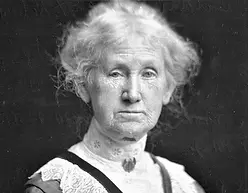
Women have long been part of the Valley’s winemaking story for more than a century. As early as the 1880s, Hannah Weinberger became one of the region’s first recorded female winemakers, even earning an international award for her Cabernet Sauvignon in 1889.
Since then, pioneering figures such as Heidi Barrett, Cathy Corison, and Geneviève Janssens have helped define Napa’s global reputation for exceptional wine. Today, a new generation of women continues that legacy. Though still a minority in the cellar, women in Napa Valley are proving that their influence on the region’s wines and its future is anything but small.
On March 25, we celebrate National Women in Wine Day and are excited to spotlight one of our member wineries that is led by a female winemaker.
Meet Priyanka D. French - Lead Winemaker, Ghost Block Estate Wines

Priyanka D. French is known for a modern, thoughtful approach to winemaking grounded in organic farming and long-term sustainability. Born and raised in Mumbai, India, she earned her Master of Science in Viticulture and Enology from the University of California, Davis, before working at some of the world’s most respected cellars.
Today, as lead winemaker at Ghost Block Estate Wines, French brings a globally informed perspective to Napa Valley, crafting wines that reflect both precision and place. A passionate advocate for greater diversity and inclusion in the wine industry, she was named to Wine Enthusiast’s “Future 40” list in 2023, recognizing the next generation of leaders shaping the future of wine.
Below are excerpts from my interview with her ---
What first inspired you to pursue winemaking?
When I learned about wines and winemaking, I was immediately drawn to the intersection of science, agriculture, and creativity. My path really solidified when I realized that winemaking isn’t just about fermentation—it’s about stewarding a vineyard site and translating a vintage into something people can share around a table.
There’s also something incredibly grounding about the rhythm of the work. Every year the vines reset the clock, and you get another opportunity to learn, adapt, and improve. That combination of science, nature, and storytelling is what continues to inspire me.
What has your experience been as a woman in the wine industry? Any challenges?
Like many women in the industry, I’ve occasionally had to prove my credibility a little more loudly than my male counterparts, especially early in my career. The cellar and production sides of winemaking have historically been male-dominated, and sometimes there have been assumptions about physical capability or technical expertise.
That said, those challenges also helped me develop confidence and resilience. I’ve been fortunate to work with mentors and colleagues who judged me by my work and dedication. Over time, I’ve learned that leadership in winemaking is less about fitting a traditional mold and more about bringing your own perspective and strengths to the table.

Have you seen the industry change for women over time?
Absolutely. When I started, there were already incredible women in wine, but their numbers were smaller, and their visibility was limited. Today, especially in California, there is a much stronger network of women supporting one another through personal relationships and participation in women-oriented organizations.
There’s also more intentional mentorship happening, which I think is incredibly important. Programs like the Batonnage Mentorship Program, which I helped initiate, connect emerging professionals with experienced leaders and are helping accelerate that progress. It’s exciting to see the next generation of women entering the field with confidence.
Are there female winemakers you admire or collaborate with?
There are many women whose work I respect deeply. There is a group of women who started in the industry around the same time as me, and it is so inspirational to see their talent and growth. Winemakers like Mia Klein, Celia Welch, and Rosemary Cakebread, who really helped pave the way for women winemakers, are a few examples of women I really admire. At Napa Wine Co., we have several different female winemakers, so I am lucky to have a great network of collaboration and support.
How would you describe your winemaking philosophy?
My philosophy is centered on clarity of site and balance. The goal is always to allow the vineyard to speak clearly through the wine. Practically, that means intentional vineyard practices, careful picking decisions, and restrained cellar work. I’m a big believer in precision and intention—every decision in the cellar should have a purpose, but the ultimate goal is to guide the wine rather than control it.
Do you have a “pet” wine project or favorite grape to work with?
Cabernet Sauvignon will always hold a special place for me, particularly in Napa Valley, where the variety can express so much nuance depending on the site. It’s a grape that rewards patience and precision, and I love the process of building structure and complexity over time.
That said, some of the most exciting projects are often the smaller experimental lots where you can try something new—different fermentation vessels, unique vineyard blocks, native fermentations, or alternative approaches. Those projects keep the creative side of winemaking alive.
Favorite harvest meal or harvest tradition?
Harvest meals have a special energy to them because they are about gathering the team amidst long hours of processing fruit and sharing a few moments.
For me personally, harvest is incomplete without a Super Asada Burrito from Azteca! I am lucky to work across from Oakville Grocery, and their Chicken Gruyere Sandwich was a go-to this last year. Also, an ice-cold beer (Lager or Pilsner) at the end of the day in the shower.
Cheers to the trailblazers shaping the future of Napa winemaking!🍷
As Napa Valley continues to evolve, the voices and talents shaping its future are becoming more diverse, collaborative, and globally inspired. Women like Priyanka represent a new generation of winemakers who are honoring Napa’s rich traditions while thoughtfully pushing the industry forward.


Comments